
Notes from a blind foreigner
on learning to live imperfectly and a recipe cooked with familiarity

In the winter I watch the 4 pm sunset colour the sky pink from the window of the train, peering around the backs of swaying bodies that steady themselves with hands gripped on silver rails. I feel tired like everyone else on the train, their heads hung towards their feet, mouths agape, asleep on a stranger’s shoulder. Even exhaustion is so meticulously arranged here, the long commutes are a socially acceptable cradle for inemuri, where strangers all abide by the rule of a short sleep.
Sometimes, when I’m talking with other people who have just recently moved to Tokyo, we share in our collective tiredness. I wait for a pause in our conversations to postulate that it is most certainly because our brains can never rest; our ears are always anticipating the train conductor’s grainy announcement, thankful that it’s been repeated for a third time so as to cling to the understanding of one or two words—mamonaku Shinjuku desu. And so on the train, I can never sleep. I’m tired like everyone else, but there is no room for me in the gentle lull of the silver cradle, I’m almost always leaning out from its edge, ready to get pushed out into the exhaustive sea of people where I will crawl up the steps of Shinjuku station while everyone around me has already learnt how to run.
At the moment, I’m reading Fifty Sounds by Polly Barton, which reads as an intimate and complex memoir of the Japanese language. Barton, a Japanese literary translator from England, recounts her life as an outsider during her early experiences of living in Japan. Much like myself, she moved to Japan as an English teacher in her 20s, unequipped for the sensory bombardment that is immersing yourself in a foreign language and culture. I had known it would be difficult, but to conceptualize difficulty at the dinner table surrounded by your friends and to actually experience it alone, where nobody is patting you on the back for how hard it is, are two completely different things. The former is almost shamefully self-indulgent and boastful, met with praise from those around you who are impressed with your decision to move abroad. At this point, you remain at the centre of your world, in control of this hypothetical difficulty that is distant and inexperienced. But then you’re in Japan, dumbfounded by the shop clerk asking, bukuro irimasuka?And even after a few days of memorizing the pattern of this exchange, the clerk shocks you with, rejibukuro wa goriyodesuka? There you stand, mute with no reflexive answer, just wide-eyed disbelief at the many iterations of “Do you want a bag?” in Japanese. The shop worker recognizes this as what many have coined “the gaijin stare” and points to the plastic bag options on the counter. Early on in the novel, Barton writes of this bewildering experience “as having the glasses pulled off my face and sensing in acute detail the struggle my myopic monolingual eyes went through.” But this was less of a sense and more like a catapult, headfirst, and landing in every which way but the right one. A land which didn’t so much as pull my glasses off, but threw me completely, breaking my glasses, and leaving me with nothing but the desperate anxiety of realizing I had no idea how to get a new prescription in Japanese.
So why did I choose to live in a world where I relinquished what has felt like my freedom, knowledge and confidence to assume the reductive existence of a blind foreigner? To answer this honestly would be to say that I think most people who choose to completely uproot their lives and move to foreign countries don’t do so by romanticizing the struggle, but by choosing the idea that they themselves have conjured up about a particular place. At least, this is what I admit to.
At university, I was in love with someone who wanted to teach in Japan. We had just finished our second year, myself in Sheffield, him in Portsmouth, and I was staying at his family’s home in Hertfordshire for the summer before leaving. L too decided that he would take time off of university. He was printing documents for Japan’s government funded teaching programme (JET) to fill out his application and had decided, with quite presumptuous certainty, that despite his unfinished degree and no teaching experience, he was a sure candidate. Though the results of his application seemed promising at first, he was rejected in the final stage, and in the end, our relationship didn’t materialize in the way we so naively hoped it would. But for some reason, out of love, stubbornness, or both, I memorialized our relationship by dreaming—one last time—of the same thing, and after university, began teaching English as a second language. And by some fate, nearly five years after I had been teaching ESL, my favourite job ended up being teaching mostly Japanese adults, many of whom encouraged me to take the leap with the warning that Japanese high schoolers were not what I’d expect (they were right).
There were other reasons too of course. I had always been fascinated by Japan as a child. During school breaks, my family would drive down to Seattle for holidays and we would busy ourselves with shopping when the Canadian dollar was still strong (a sure time to be alive with your dad’s credit card at Target.) Westlake Centre was a mall we frequently visited and it had a For Your Entertainment store, a prehistoric chain that sold movies, CDs and video games. I’m not sure what made my dad, with no prior interest in Japanese animation, buy Spirited Away by Hayao Miyazaki, but he did, and neither of us could have known how this would change the trajectory of my life. Spirited Away would become a film that I would rewatch countless times throughout my childhood and into my adult life. My dad and I would often watch Miyazaki’s films together or I would go downstairs and rewatch the movies by myself, engrossed in worlds and characters which I felt mirrored aspects of my own, but in a much more magical and fantastical way. On other trips we picked up more Studio Ghibli films like Howl’s Moving Castle, Kiki’s Delivery Service and Princess Mononoke, where I’d see more of myself in enduring heroines that were stubborn, complex, and resilient. Soon enough, I began to watch other films and genres by Japanese directors, captivated by the country in which these artists created within and pushed back against. I started reading more Japanese authors too beyond the likes of Murakami and made it a goal of mine to finish The Penguin Book of Japanese Short Stories before my flight to Tokyo. Though it was only a fraction of Japanese culture that I had access to, it was enough to make me want for more.
There was also Japanese food, abundant in Vancouver, and usually my first choice when it came to picking out a restaurant. My favourite thing to order was tako sashimi and later on, at a fancier Japanese restaurant a 20 minute drive away and across from the yacht club, I had mozuku-su served to me in a martini glass. At school, a half Japanese girl would often have karaage packed for lunch and I would routinely hope for the chance to eat a leftover piece. When my neighbours and I had nothing to do on the weekends, we’d walk down the street to Dundarave Sushi with no more than ten dollars in hand, ready to order a chicken teriyaki bento off of a laminated menu. There was Sakura Ichiban too, where I’d always excite over the idea of getting seated in the section where you had to take your shoes off, before ordering everything on the menu: shrimp tempura, toro nigiri, yakisoba, or a monstrous roll with spicy tuna, avocado and yam tempura. As I got older, I was able to discern what people would categorize as authentic Japanese cuisine and Westernized Japanese food, but I felt no need to be pretentious. I could enjoy the expensive sashimi flown from Japan that morning, the home cooked teishokus served at Hachibei where it would be rare to hear English spoken by anyone other than the diners, all the while craving the dynamite roll covered in sweet sauce with heaping spoonfuls of electric orange masago that I’d order for takeout on my work breaks while KPOP YouTube videos streamed on the restaurant tv. I loved it all.
So in 2023, on the precipice of an awful breakup and with a strong sense that I needed to change my life entirely, I finally filled out my own application to JET and moved to Tokyo that summer.
Though, none of my interests or cultural intrigue could have prepared me for a reality that demanded more than just my shallow enjoyment of a culture and the freedom to turn off a film, put down a book, and leave the restaurant. Even more so, it is only now in hindsight that I understand that what I thought was an interest in Japan was in fact an attachment to a diasporic version of it. The Japanese community I grew up around in Vancouver, like my own Cantonese-Canadian diaspora, was a culture refracted through migration, memory, and Canadian sensibilities. It was only after moving to Tokyo that I encountered how different it could feel from the Japan that first shaped my imagination, one which acted as a translation rather than its lived reality. And so, many of the truths that have emerged after my move have been uncomfortable and impactful, akin to an education of relearning a reality in which Japan is no longer just the culture I consume but that with which I live. I find it all terribly ironic of course, seeing as I came here as a teacher with some initial feeling of authority. Instead, I’m now the student-adult-child, undergoing another prepubescence, where I’m opinionated and oppositional while still trying very hard to prove to myself that I can be an adult in this new world.
I do the necessary adult things—I go to the ward office and complain to myself about how this could all be done online. I do my groceries which is relatively stress free until there is something I crave that is essentially non-existent here. I get my haircuts and accidentally dye my hair too dark because of miscommunication. I visit the doctor but can never genuinely express how I’m feeling, and like a child, I make monsters out of the menial tasks that make me feel elementary and inarticulate. Every day I see toddlers in strollers speaking with their mothers and wish I could speak like them, but every day I find that I still can’t. And so morning and night, I’m forced to contest with my biggest monster, failure. It all becomes exhausting very quickly. On my worst days, I’m plagued by a fear that I’ve made the wrong decision, that had I known it would’ve been this hard, I would’ve chosen the difficulty I knew back home. When I’m being more explicitly mean to myself, I say that I’m a failure, that at 28 years old, I should have more figured out—my childhood neighbour is married, everyone seems to have higher paying jobs and can actually understand their work meetings, my friends have drivers licenses they aren’t afraid to use—so at the very least, I shouldn’t feel like I need to take a month-long nap after going to the pharmacy.
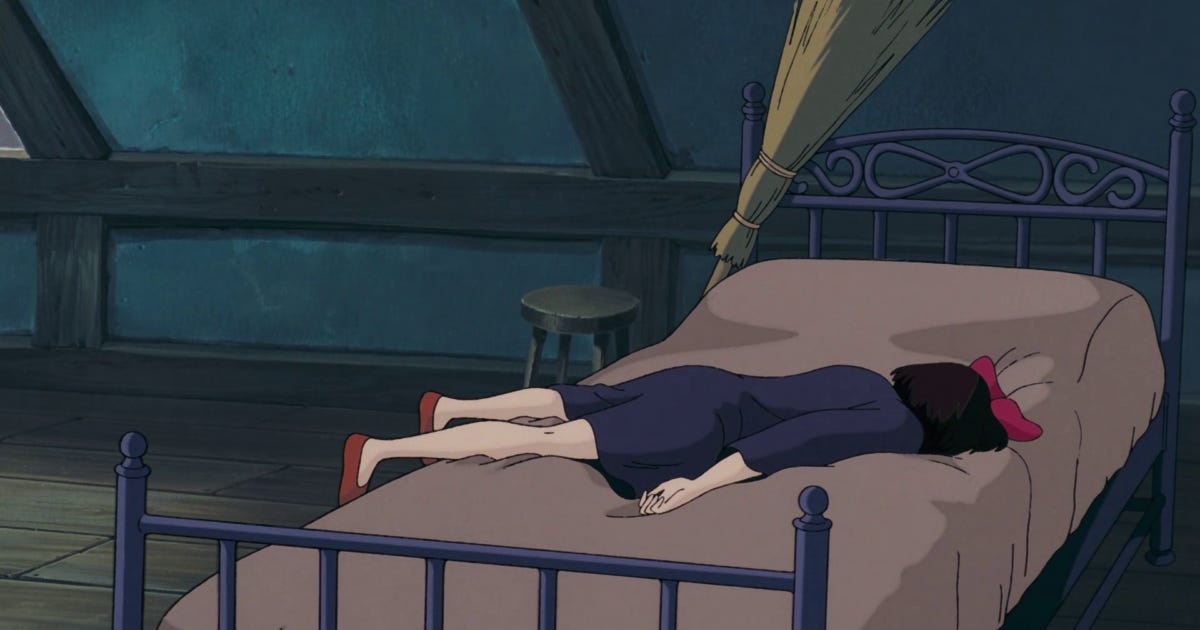
In bed, I turn on Kiki’s Delivery Service and see a girl who is also burnt out and loses her magic. What resonates most is how the loss of magic and novelty arises from the pressure we place on ourselves—the fixation on getting things right, and the subtle but persistent equation of correctness and conformity with self-worth, ideas so often reinforced within Japanese society. And yet, by the film’s end, Kiki’s old magic doesn’t so much as return; it grows into a new magic that she’s gained only by moving forward. Her ability to fly again is not because she has mastered herself, but because she has loosened her grip on that need to do so.
In a similar way, even as I see myself failing, I continue to listen and learn. This is what has allowed me to become accustomed to, though not quite accepting of, failure. Without it, I wouldn’t have learnt what the toddler was saying, even if I still can’t say those same things myself. Language learning, then, has become a site where I confront the many insecurities surrounding my identity.
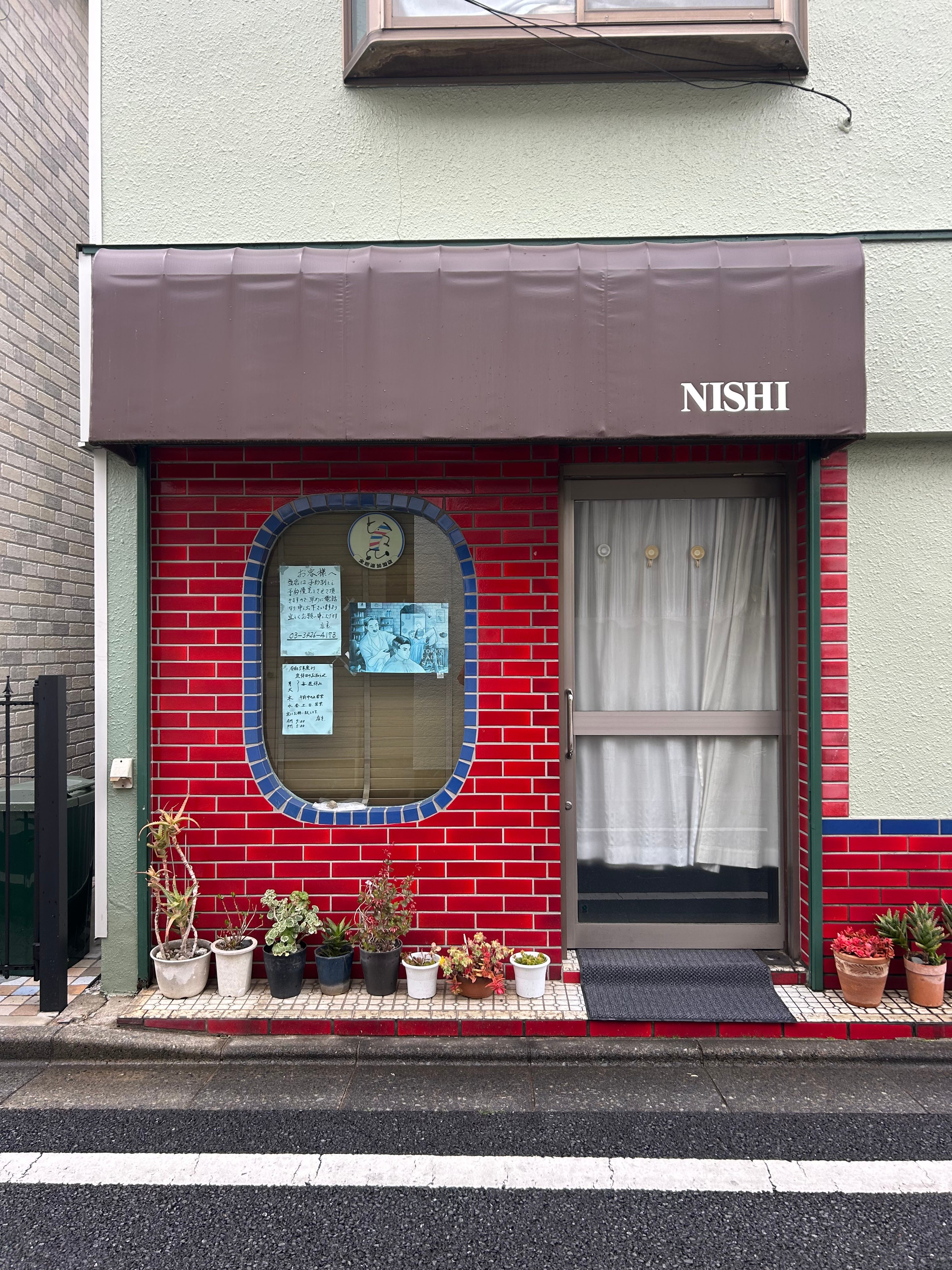
I long to live past the difficulty I’ve placed myself in—to cope without personalizing failure and to feel elation at something becoming doable, not perfected. On my good days, I embrace being a child again and experiencing what feels like life for the first time. I walk to the ward office on a sunny day and feel proud of myself for changing my residence card alone, albeit in broken Japanese. I do my groceries and can recognize more kanji pointing towards the ingredients I need. If the grocery clerk doesn't give me my stickers that I’m collecting to buy a discounted blender, I’ll be damned if I don’t ask for them (unless the clerk is very busy then I’m too nervous to bother them.) I get my haircuts and try booking appointments at salons where I have to speak Japanese in disjointed sentences. I visit the doctor and feel relieved that I don’t have to wait over an hour for a walk-in appointment anymore. I remind myself that there is beauty and appreciation here, if I let it come to me.
Recently, I’ve been reading Japanese children’s books because the Japanese is simple enough, but there are still words I don’t know and illustrations that make me smile. The first book I bought when I moved here was a translation of Leo Lionni’s Little Blue and Little Yellow. At the time, I couldn’t read and just enjoyed the pictures. Then, after a lot effort, the characters on the page turned into sounds that felt new in my mouth, ones that I toyed with like a candy I couldn’t yet chew or digest. However, now they are digestible and imbued with meaning—no longer just sounds but words, grammar forms and tenses that I can slowly swallow and understand.
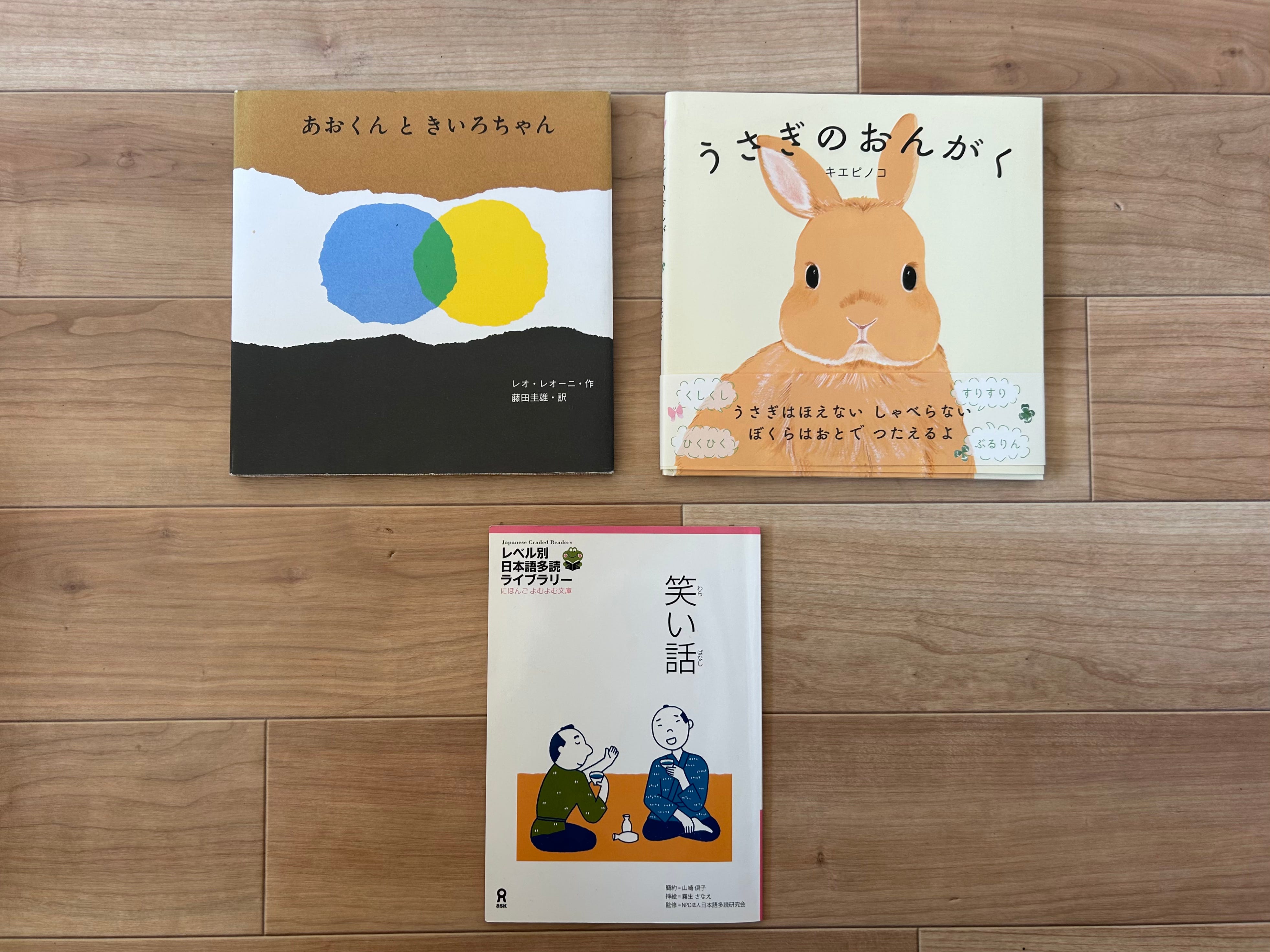
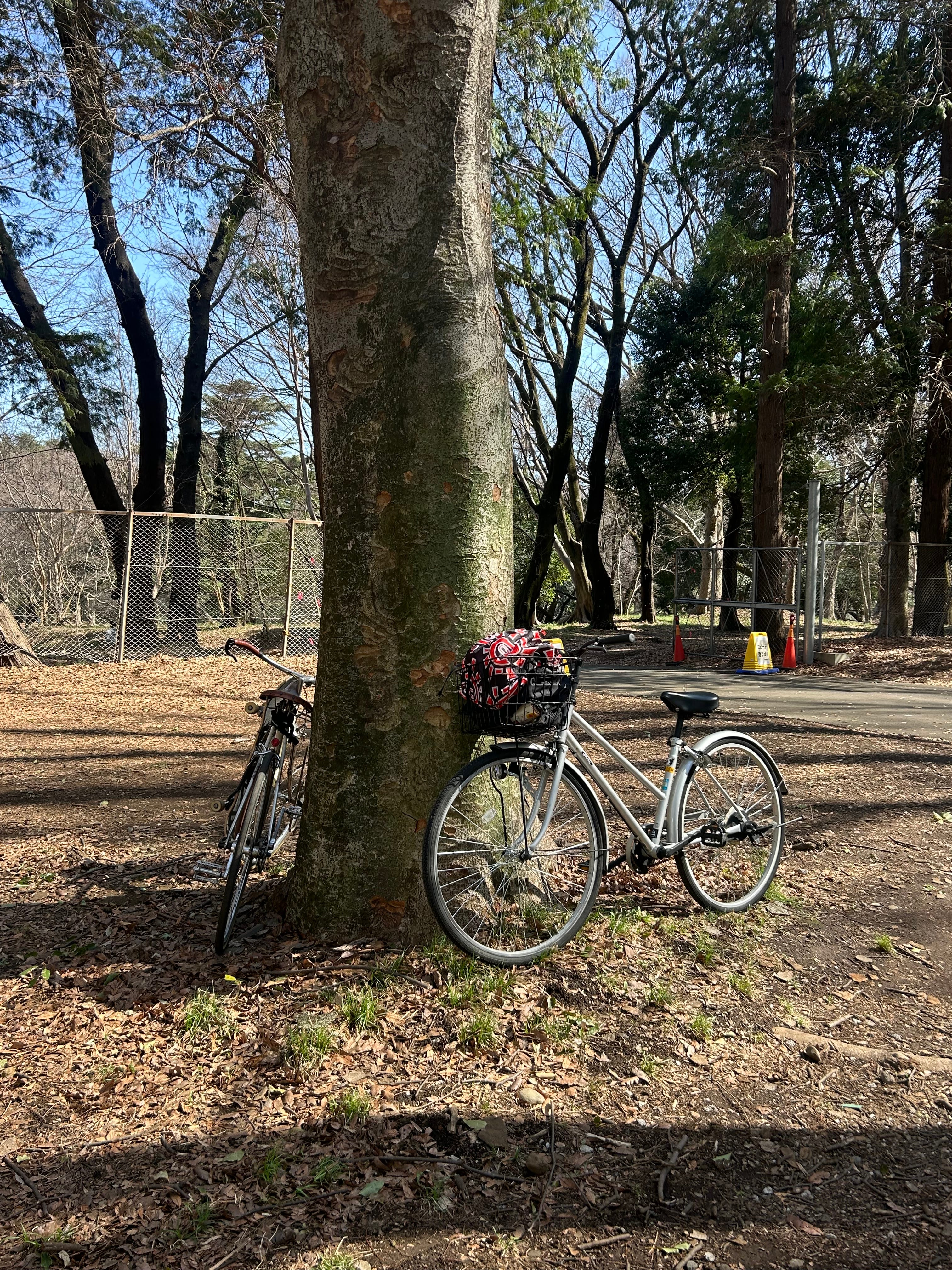
My most recent purchase, うさぎのおんがく, is a book about rabbits and their onomatopoeic sounds by Kie Pinoko. By the end of my learning to read it, I’ll have added more words to my Japanese vocabulary, and I hope, will be well versed in the life of domesticated rabbits in Japan. My last book is my graded reader with a collection of 笑い話, funny stories that did make me laugh quite a lot to myself in the park while reading to my boyfriend who had fallen asleep under me.
So, though I still feel very much like a child, I have outgrown the ideas I had first imagined about Japan and have watched the world unfurl before me. And with this metamorphosis, something else has emerged—something real, still laced with some of that magic from the world of Ghibli I first fell into.
With that said, here is a collection of some things that have charmed me as of late and a recipe at the end that tastes of familiarity:
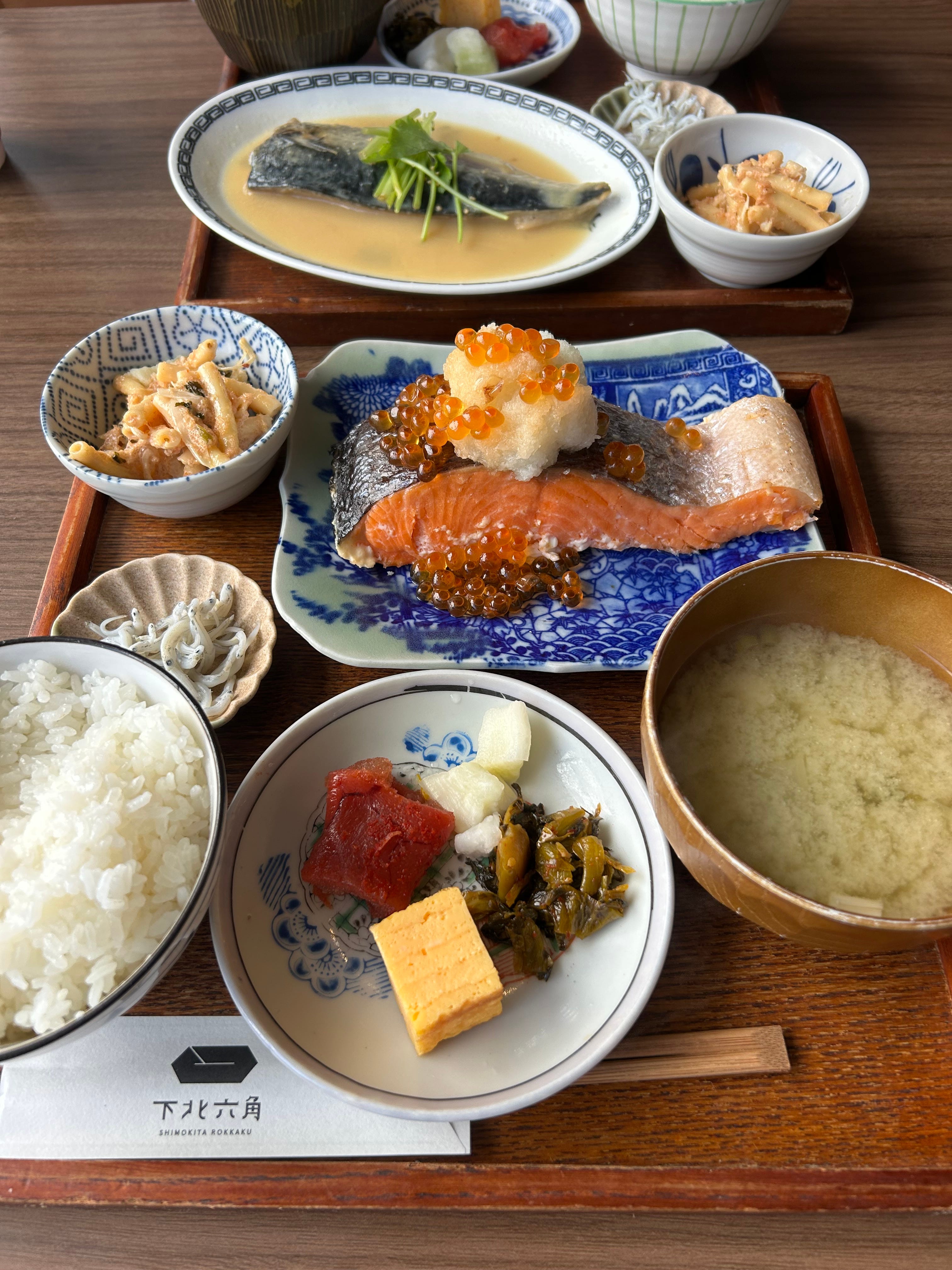
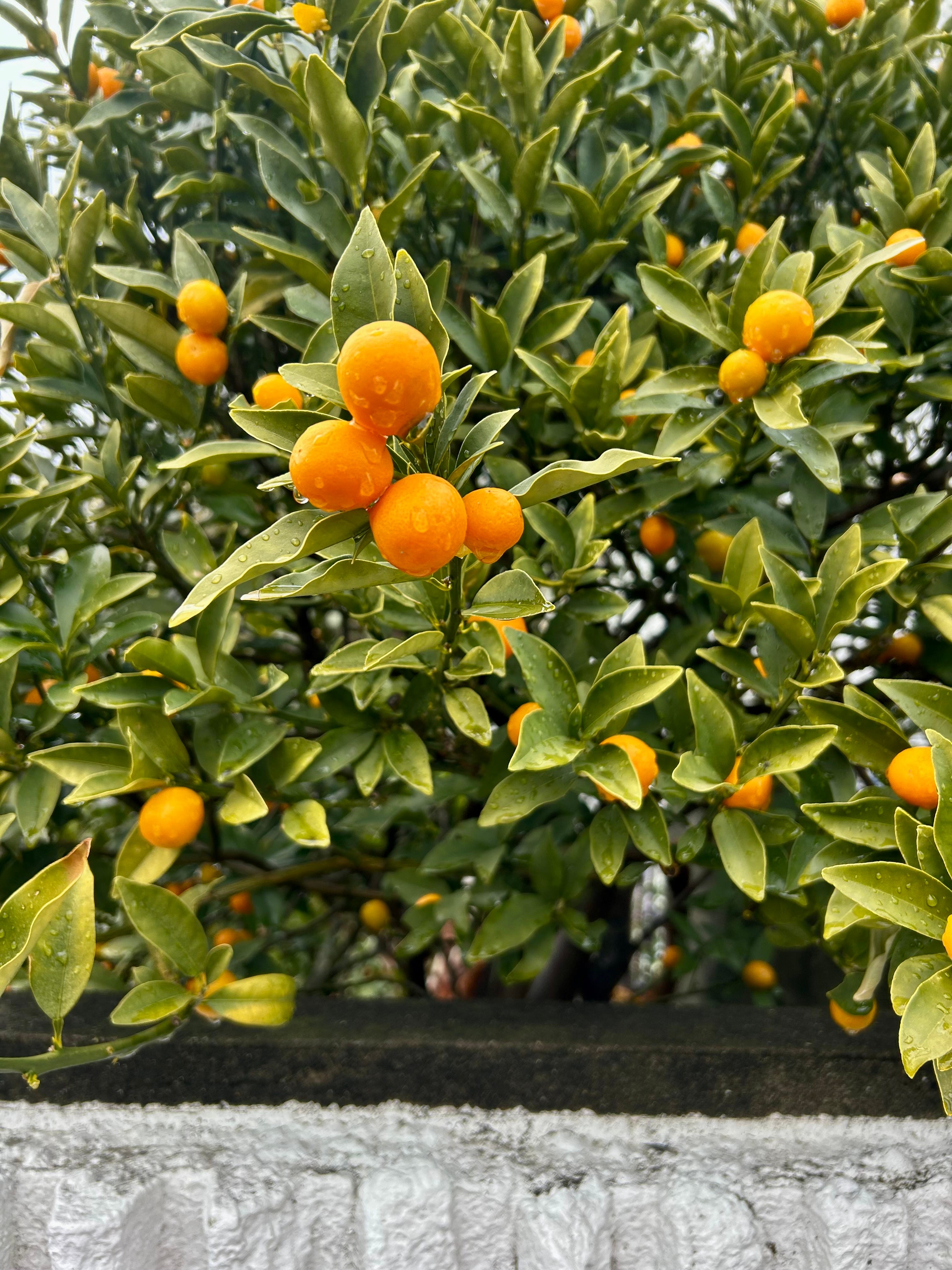


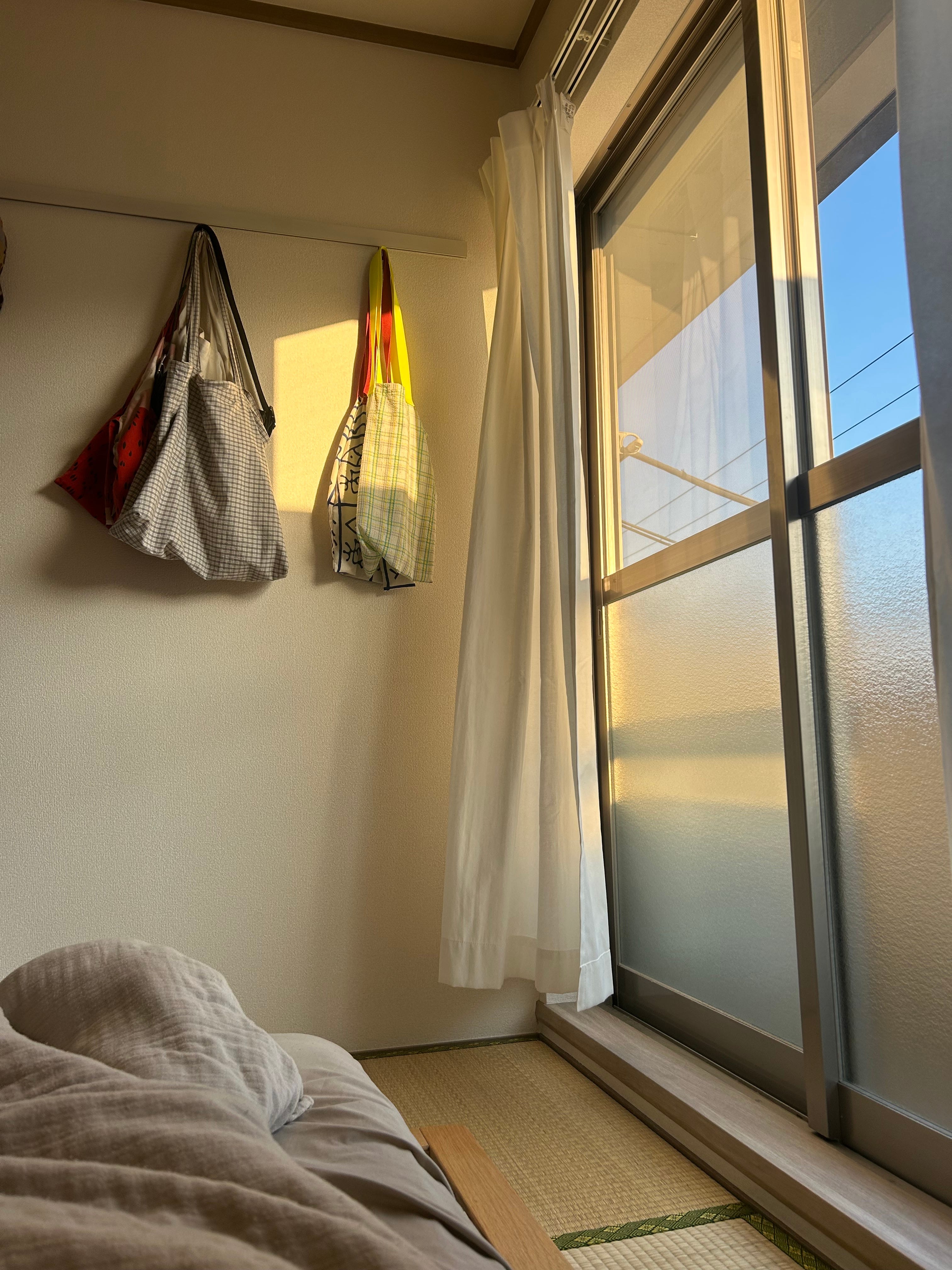
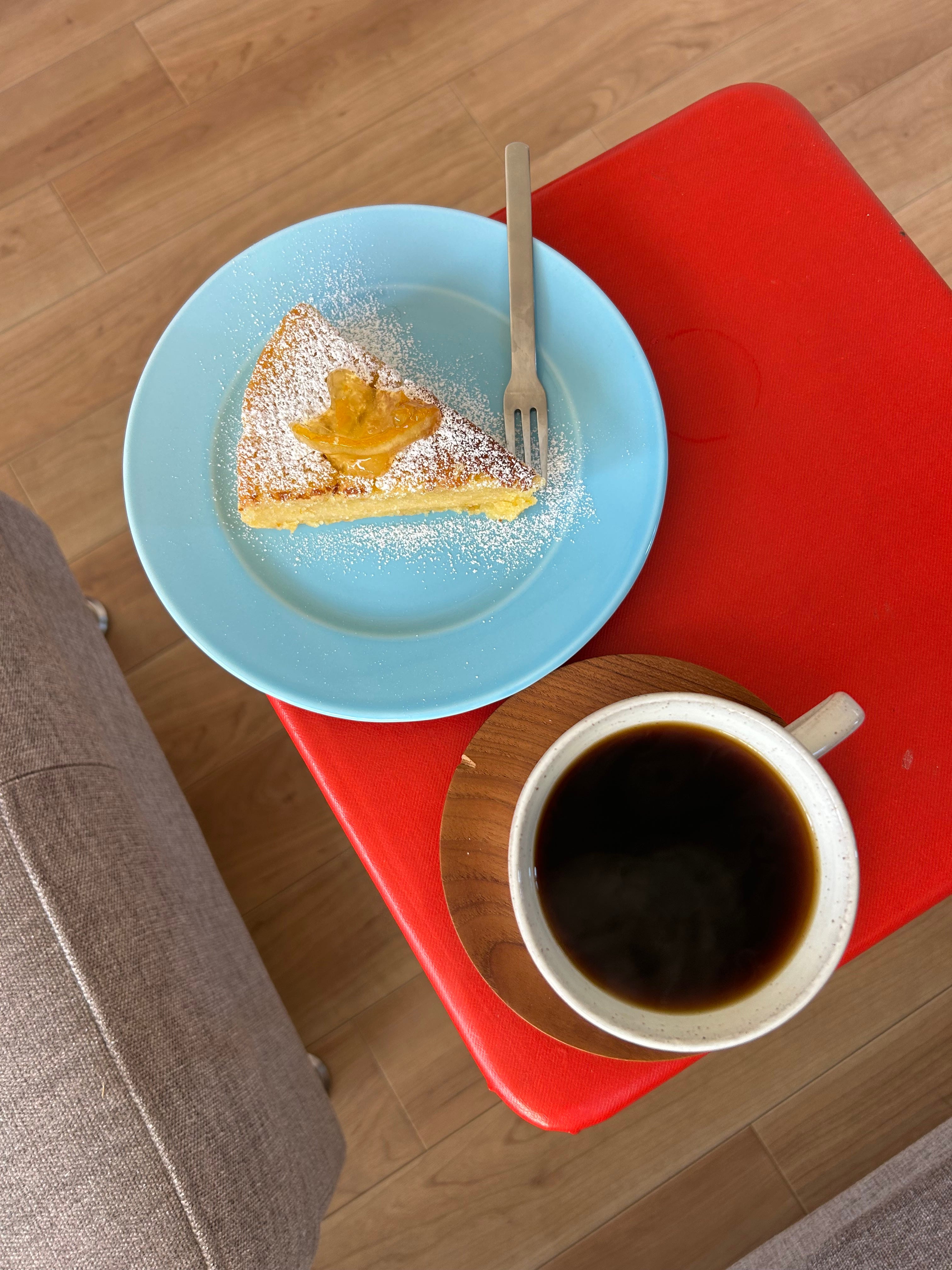
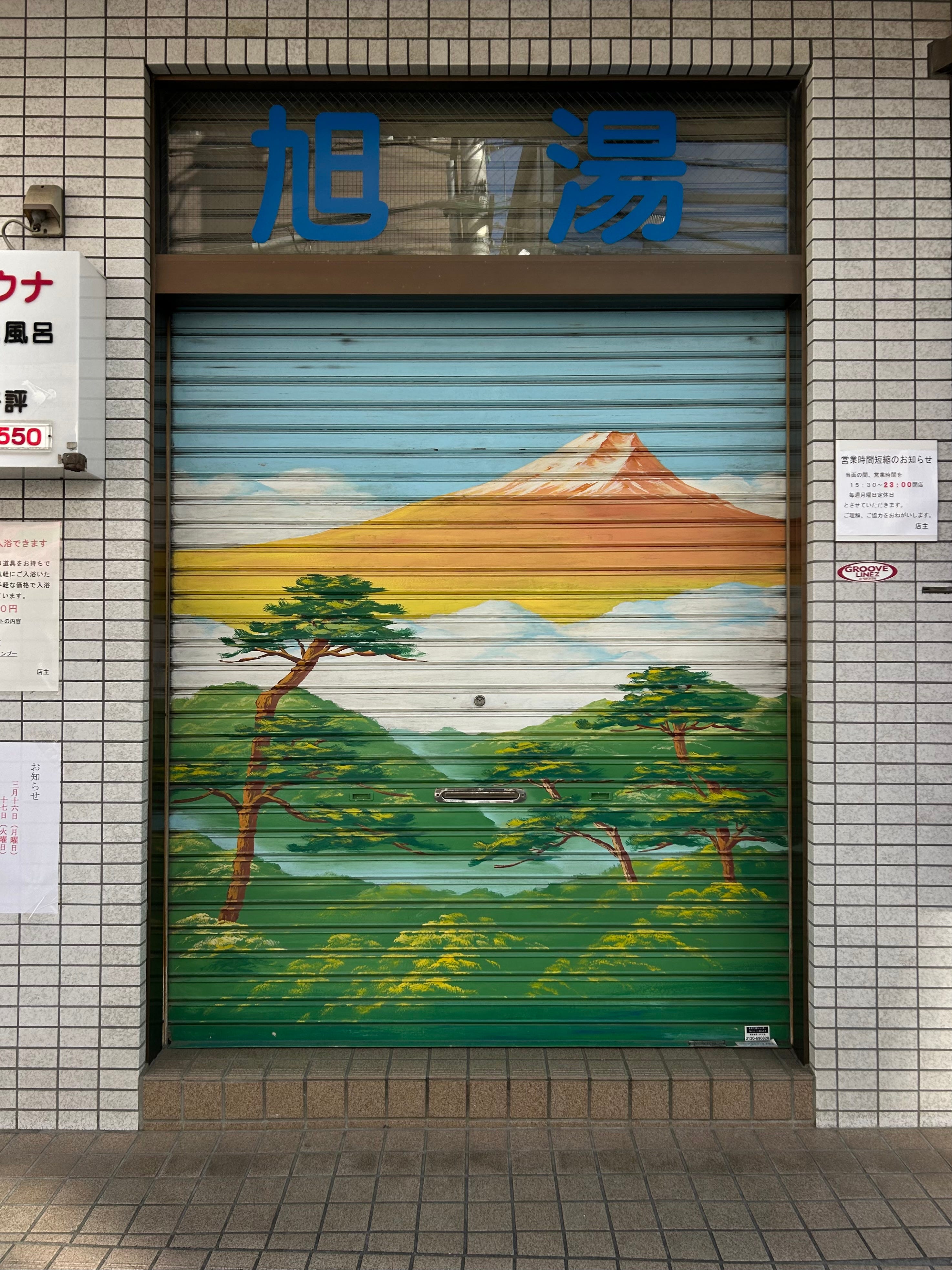
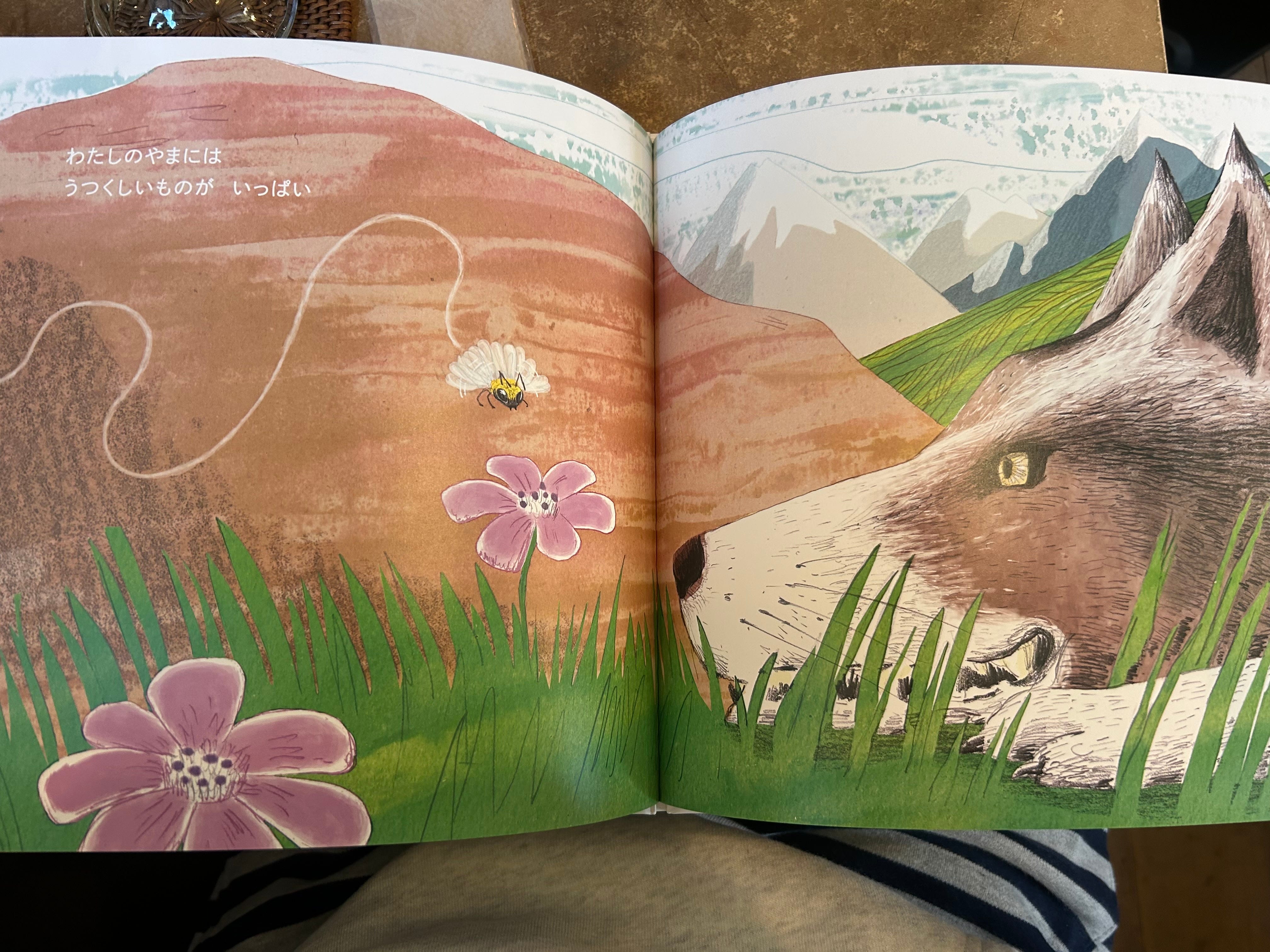
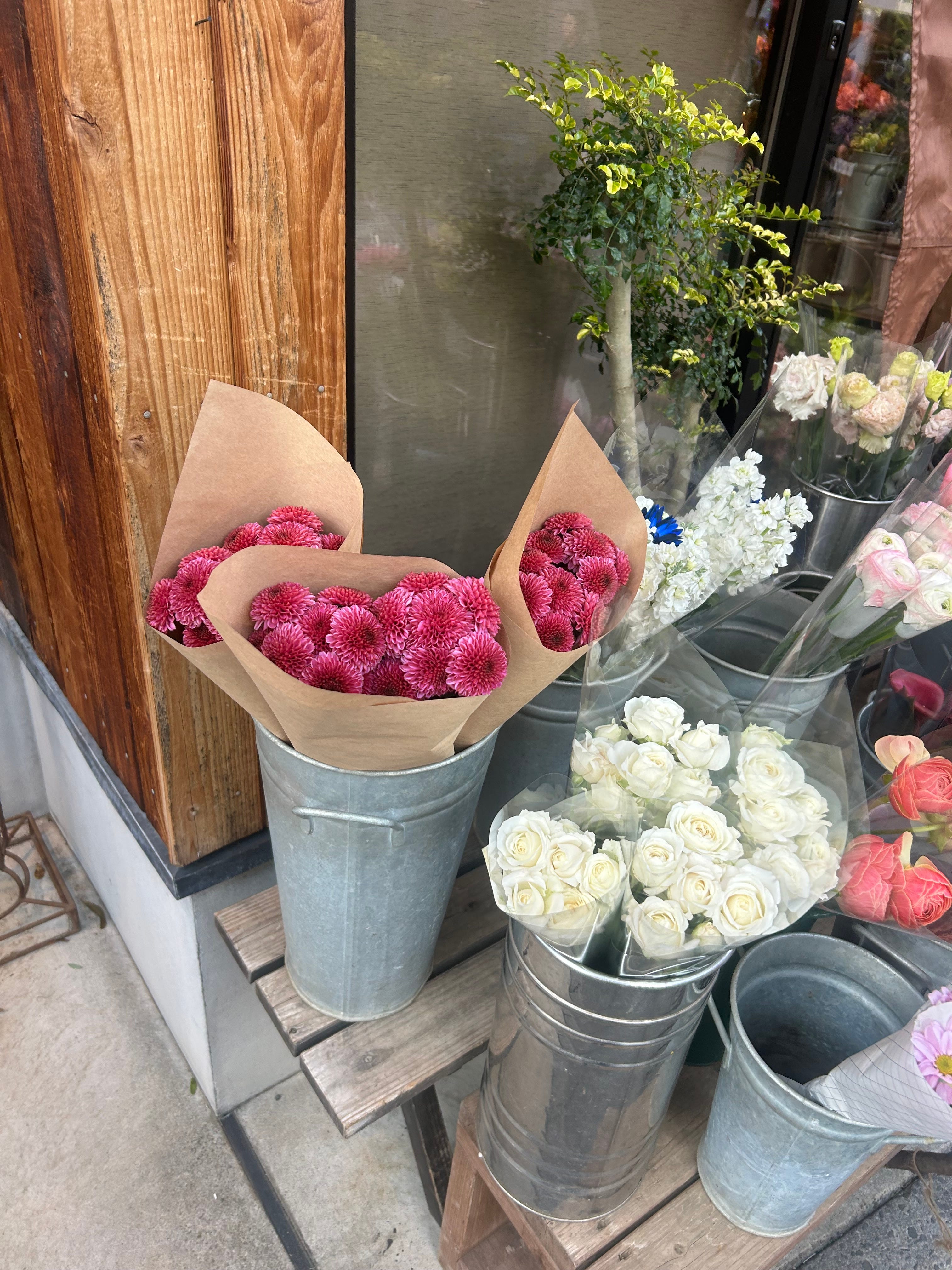
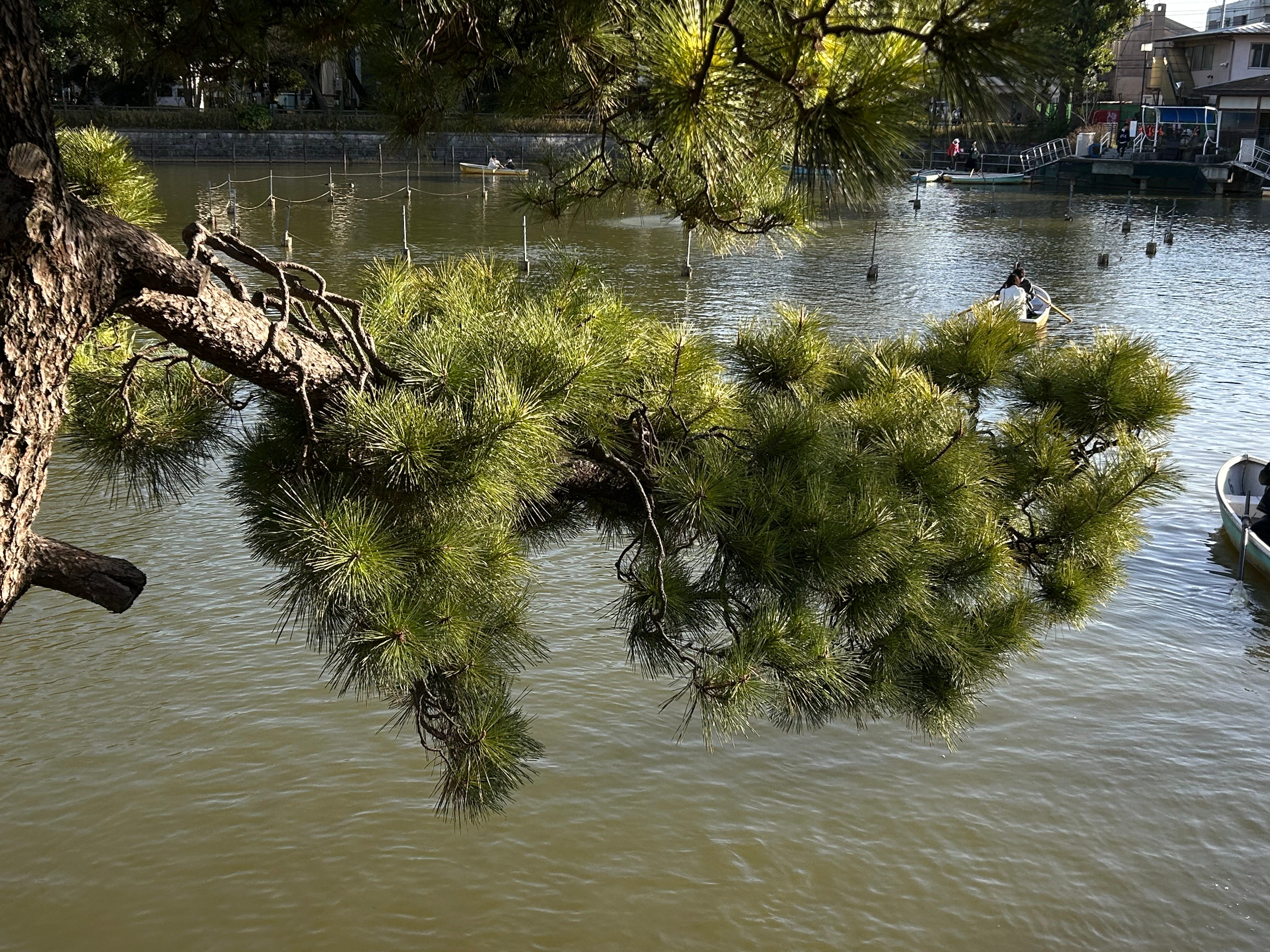

When I was younger, my dad would always make roast chicken and I would stubbornly protest that it was too boring to eat once again. There are some things you can only learn as an adult, and so I’ve learnt that roast chicken is completely underserving of my childhood slander.
For the roast chicken, I thought I’d try something new and indulgent, so I loosely followed Julius Roberts’ recipe for his spatchcocked tarragon chicken but took a few creative detours, which I’ve added in bold alongside some easy recipes for my mashed potatoes and peas with pancetta and mint. This is a great meal to have when your friend’s over for dinner, just make sure to have it with at least two bottles of wine.
